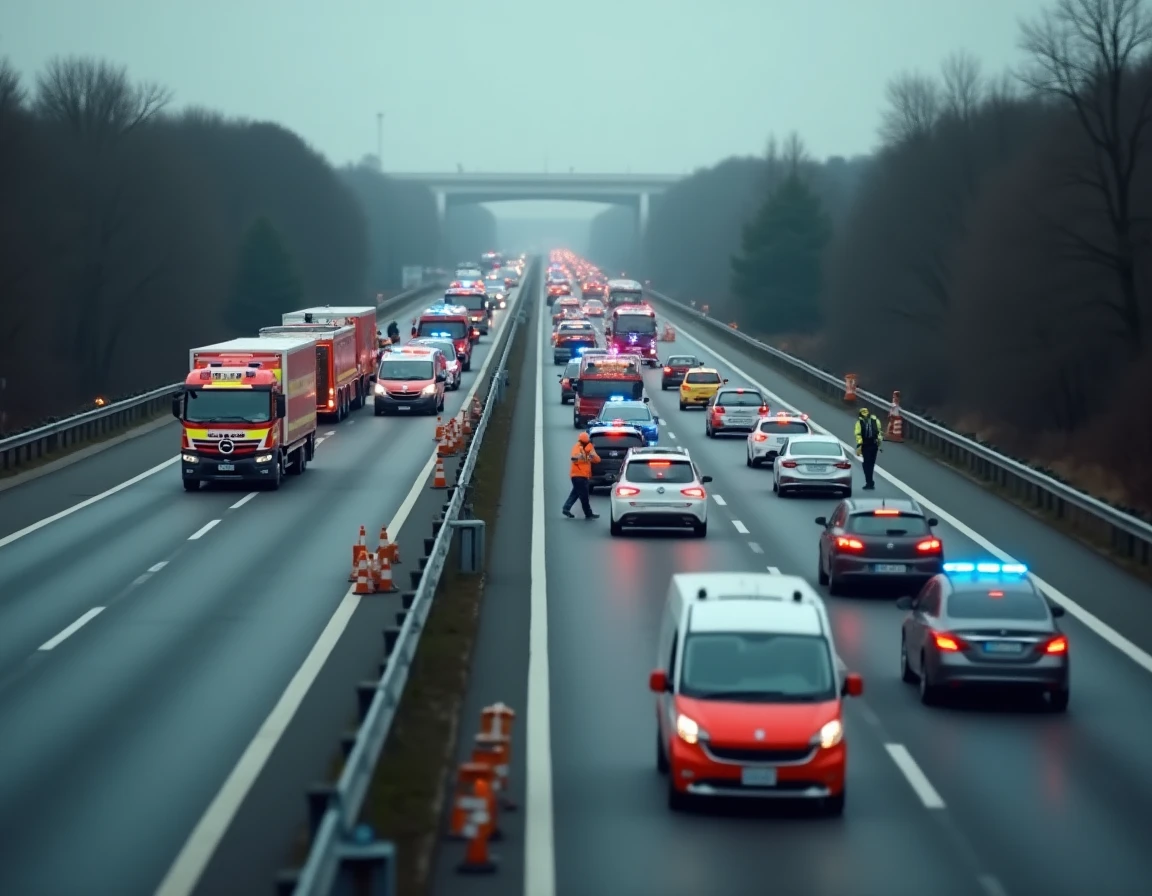
The A31 motorway carries a significant portion of cross-border traffic between France and Luxembourg. When an accident occurs on this route, the repercussions go beyond a simple local slowdown. From kilometer-long disruptions to the mobilization of emergency services and legal proceedings, each incident on the A31 highlights the fragility of a road corridor that is saturated daily.
Cross-border traffic on the A31 and structural vulnerability of the route
Most articles discussing accidents on the A31 focus on the traffic jam of the day and the time of reopening. This perspective obscures a deeper issue: the A31 supports a massive cross-border flow between Lorraine and Luxembourg, with peak loads in the morning and evening that turn even the slightest incident into regional paralysis.
The section between Metz and the Luxembourg border absorbs a daily volume of vehicles far exceeding its original design capacity. Trucks, vans, and cars of cross-border workers converge on lanes where maneuvering space is limited.
This density explains why a truck overturned near Maxéville or a collision near Woippy can cause traffic jams sometimes exceeding ten kilometers. To better understand the consequences of the accident on the A31 today, each incident must be viewed in this context of chronic saturation.
Recent accidents on the A31: comparison of incidents and their consequences
Several serious accidents that have occurred recently on the A31 allow for measuring the varying extent of disruptions depending on the type of collision, location, and vehicles involved.
| Location | Type of accident | Vehicles involved | Human consequences | Impact on traffic |
|---|---|---|---|---|
| Maxéville (near the Zénith de Nancy) | Overturned truck | Truck alone | No fatalities reported | Up to 14 km of traffic jam, evacuation in the morning |
| Woippy (towards Metz-Nancy) | Collision (motorcycle, light vehicle, truck) | 3 vehicles | Two men deceased | Prolonged closure, judicial investigation |
| Bulgnéville | Severe off-road incident | Single vehicle | A 59-year-old man deceased | Localized disruption |
The contrast between these incidents is stark. An overturned truck with no victims generates a 14 km traffic jam and mobilizes emergency services for several hours. A fatal collision in Woippy leads to a longer closure, compounded by a heavy judicial procedure.
Increasing severity of collisions involving trucks
The coexistence of trucks and light vehicles on the A31 remains the most documented risk factor in recent incidents. In Maxéville, the overturned truck was enough to block all lanes in one direction. In Woippy, the presence of a truck in the collision contributed to the severity of the impact.
In contrast, the off-road incident in Bulgnéville, involving a single vehicle, had a limited impact on traffic despite the fatal outcome. The number of vehicles involved determines the duration of disruption more than the human severity of the accident.
Mobilization of emergency services and judicial proceedings after a fatal accident on the A31
Feedback from recent accidents shows that managing an incident on the A31 does not stop at clearing the roadway. Two distinct phases overlap and prolong the effects of each accident.
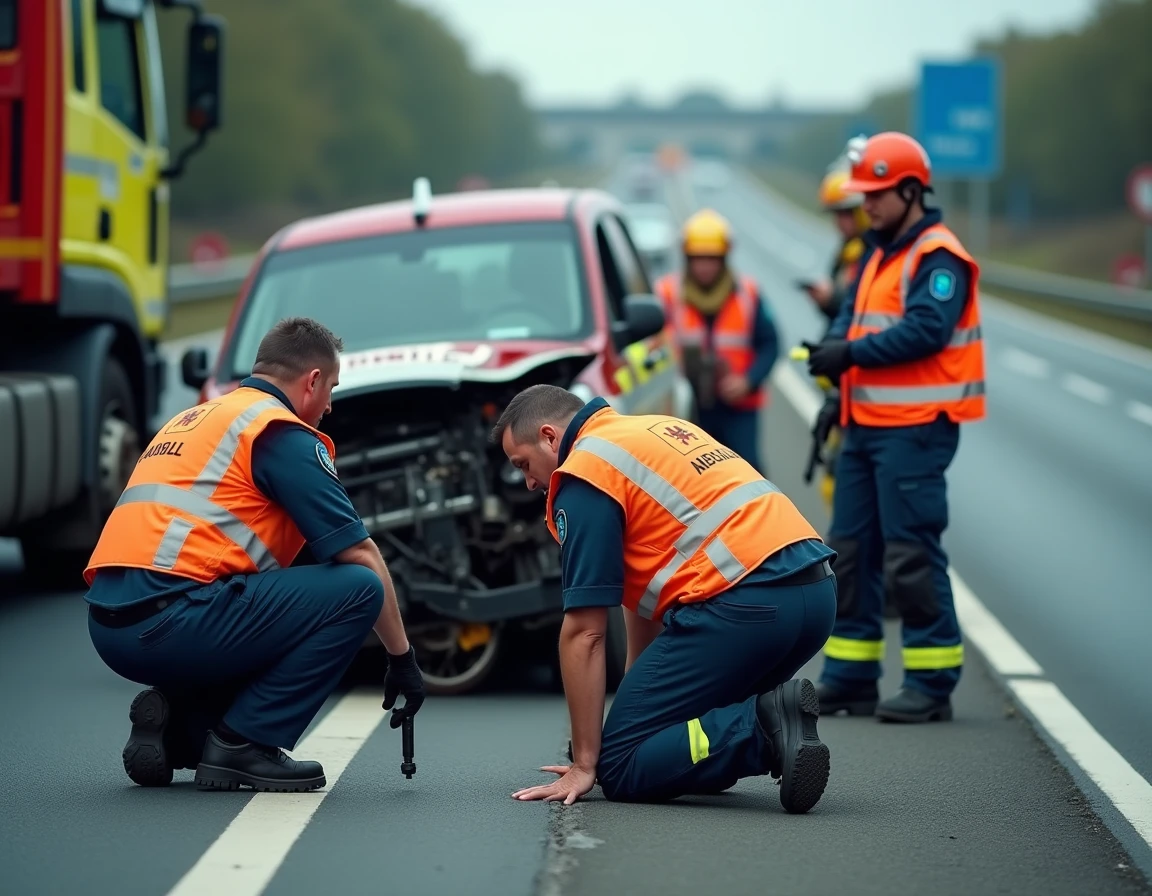
- The operational phase: firefighters, SAMU, and law enforcement secure the area, assist victims, and organize traffic management. On such a busy route, this phase can last several hours if a truck needs to be lifted or if the lanes are damaged.
- The judicial phase: after the tragedy in Woippy, an investigation for involuntary manslaughter and hit-and-run was opened. A call for witnesses was issued by law enforcement, soliciting motorists present in the area at the time of the collision.
- The public communication phase: the Moselle prefecture publishes real-time updates on social media, with detour instructions and dedicated numbers to collect testimonies.
This systematic judicialization of serious accidents transforms each fatal incident into a lengthy procedure. Investigators communicate a dedicated number to collect information from potential witnesses, which implies police mobilization well beyond the day of the accident.
Delay between the accident and return to normalcy
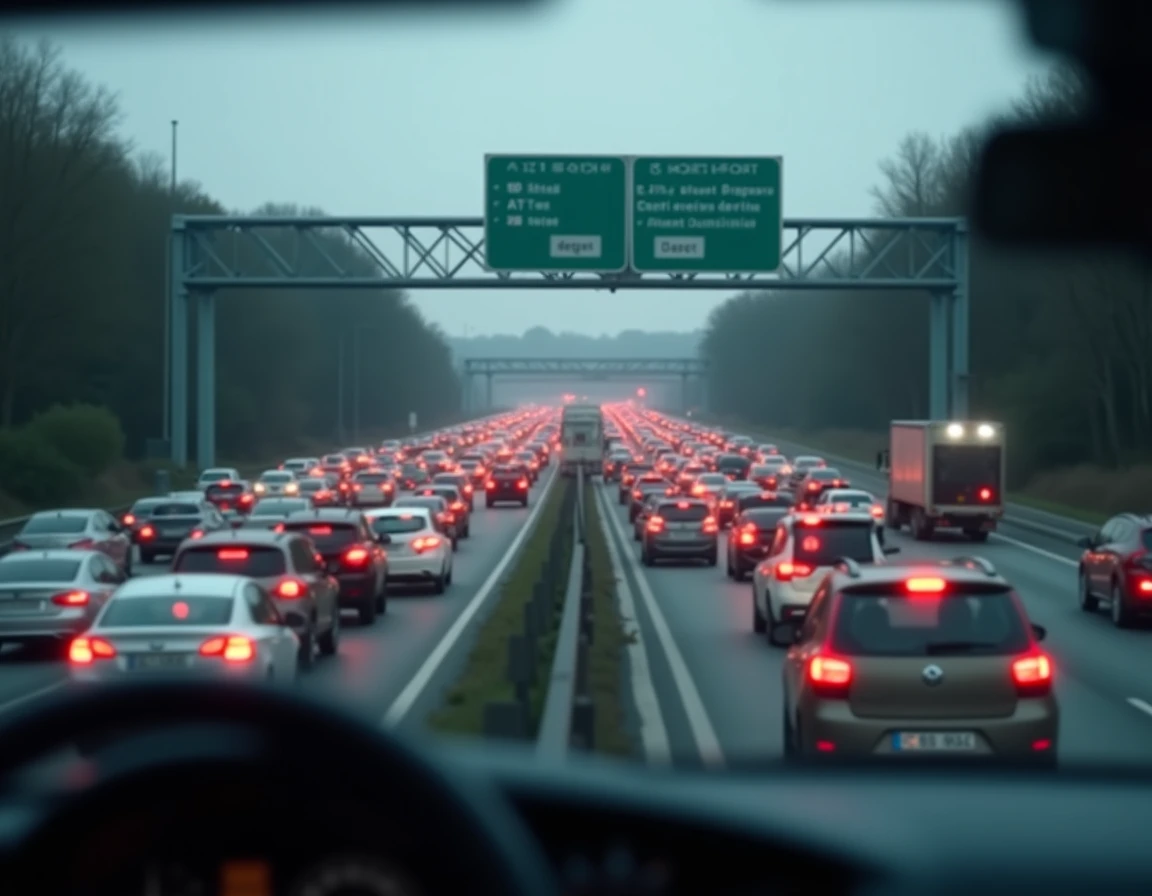
For the overturned truck in Maxéville, the evacuation was completed in the morning, and traffic returned to normal the same day. The case of Woippy is different: the closure of the motorway was prolonged, and police presence in the area lasted well after the lanes were reopened.
This difference illustrates a rarely discussed point: a fatal accident immobilizes the route longer than a property damage accident, not only for emergency services but also for judicial observations and technical assessments on the roadway.
Road safety on the A31: recurring risk factors
Three elements recur in the analysis of recent incidents on this stretch.
The first is the mix of traffic. International transit trucks, light vehicles of cross-border workers, and vans share lanes designed for a lower volume. The speed and size differences between these categories amplify the severity of collisions.
The second is the density during peak hours. An accident occurring between 7 AM and 9 AM or between 5 PM and 7 PM mechanically causes much longer queues than the same incident at 2 PM. The 14 km traffic jam in Maxéville formed early in the morning during a high-traffic period.
The third is the lack of effective bypass lanes. When the A31 is closed, alternative routes (departmental roads, village crossings) become saturated in turn. The prefecture publishes detour instructions, but these redistribute the problem onto a secondary network poorly equipped for this type of diversion.
The recurrence of serious incidents on the A31 raises the question of the adaptation of infrastructure to the actual volume of traffic. Data from recent months show that each major accident reveals the same structural flaws, without the traffic conditions fundamentally changing between two incidents.