
A dog that pulls on the leash at every intersection, another that destroys the sofa as soon as we leave for twenty minutes: these everyday situations are not due to a bad temperament, but to a gap between what the dog understands and what we expect from it. Training your dog is primarily about adjusting your own communication so that the animal knows exactly what to do, and when to do it.
Adapting dog training to the dog’s real living environment
The educational priorities differ depending on whether you live in an apartment on the third floor or in a house with a yard. Recent veterinary content confirms this: educational needs change radically according to lifestyle.
In a dense city, relaxed leash walking, reliable recall, and habituation to public transport are considered priorities for the dog’s safety and its integration into public spaces. A dog that panics at the sound of a tram or jumps at every jogger presents a concrete problem, not a theoretical one.
In the countryside or in a house with a garden, managing off-leash recall, refusal of bait, and controlling the hunting instinct come to the forefront. It is often believed that a garden is enough to tire a dog, but field reports show that without regular exploratory outings, boredom sets in and destructive behaviors follow. Resources like attitudecanine.fr help structure this approach based on the specific profile of the animal and its environment.
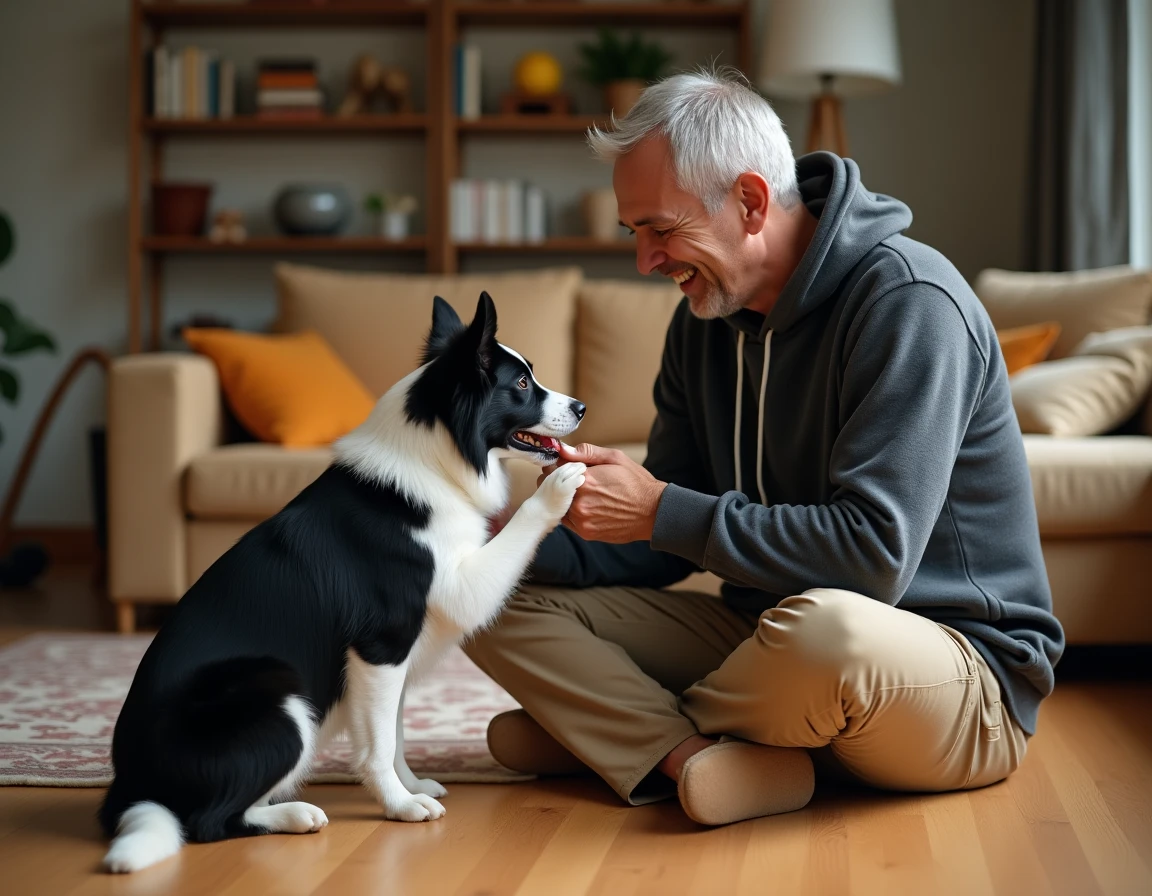
Socialization of the adult dog: why stop after the puppy stage
The majority of guides focus on the puppy socialization window, between about three and twelve weeks. Young dogs are exposed to a maximum of stimuli to build their confidence. The problem is that this is often where it stops.
Dog clubs and veterinarians now recommend maintaining active socialization throughout the dog’s life. In urban settings, this involves supervised meetings with other dogs, discovering new places, and regular exposure to varied noises.
Without this maintenance, a perfectly socialized dog at six months can develop late fears after puberty, even leash reactivity. Socialization is not a checkbox to tick off during the first summer: it is a long-term effort that lasts for years.
Concrete situations to work on regularly
- Passing other dogs on a leash without becoming tense, starting with a comfortable distance and gradually reducing it over several weeks
- Staying calm in a café or on a terrace, starting with short, less crowded times before increasing the duration
- Accepting handling by strangers (veterinarian, groomer), associating each contact with a high-value food reward
Coercive collars and canine behavior: what veterinarians say
When a dog pulls hard or reacts aggressively on a leash, the temptation for a choke or electric collar quickly comes back to the table. French educational veterinary content is now explicit on the subject: coercive collars should not be used on dogs with behavioral issues.
The risk of worsening is real. A dog that growls out of fear in front of another dog and receives a shock or pressure on the trachea associates the pain with the presence of the other dog. The result: reactivity increases instead of decreasing.
The alternative is positive reinforcement combined with a suitable harness. We reward the dog when it exhibits the desired behavior and manage physical tension without applying pressure to sensitive areas of the neck. Feedback varies on the speed of progress depending on breeds and individuals, but the direction is the same: reward the good behavior rather than punish the bad.
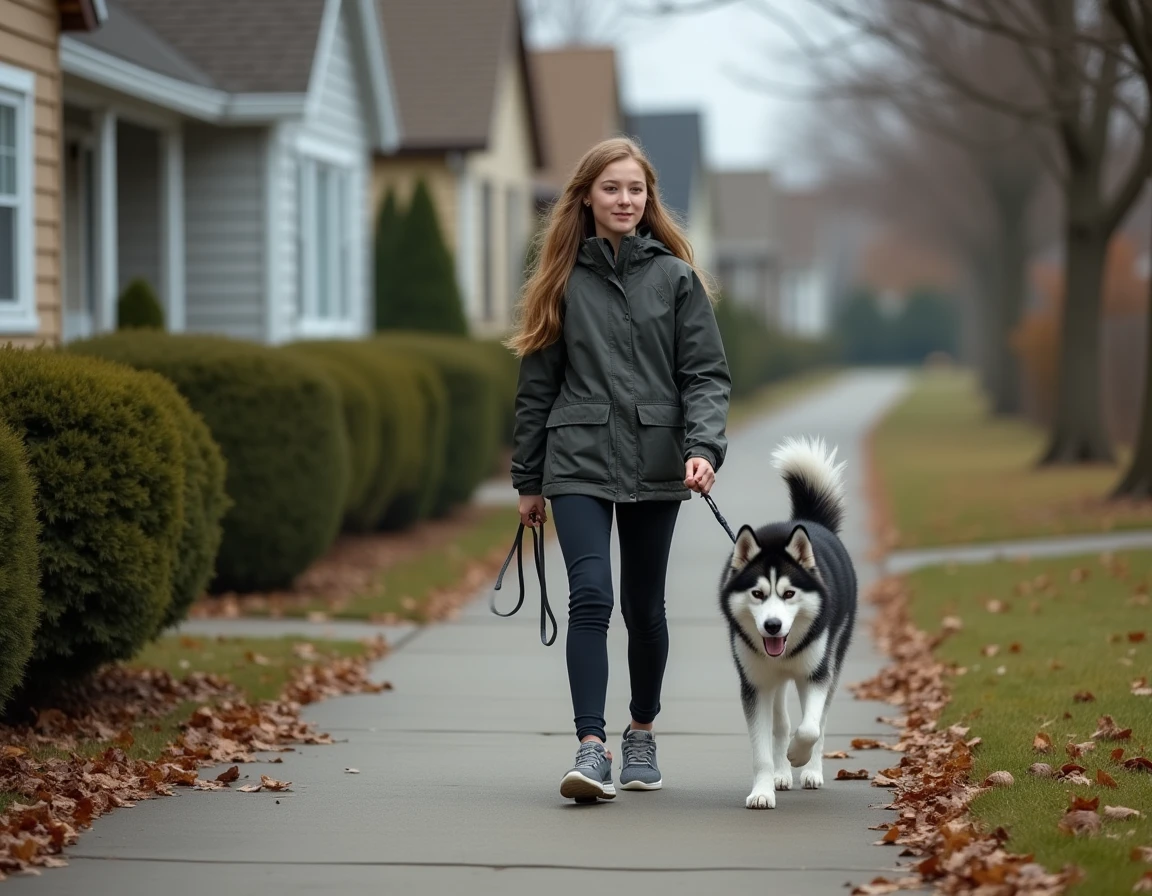
Timing of rewards and consistency of commands in daily life
A dog associates an action with a consequence in a very short time. If the reward comes three seconds after the good behavior, the animal may no longer make the connection. We aim for a maximum of one to two seconds between the correct action and the positive feedback (treat, petting, happy keyword).
The other factor that can shift training is the consistency of the entire household. If one person says “down” and another says “lie down,” or if the dog is allowed on the sofa by one person and pushed away by another, it does not understand the rule. Every member of the household must use the same words and apply the same limits.
Commands that change daily life
- “Sit” before every meal, every street crossing, every door opening: this command becomes a pause reflex that prevents overflow
- “Leave it” in front of litter on the ground or toxic food: a lesson that can literally save the dog’s life
- “Go to your bed” or “your place” so that the dog has a clear physical reference when the situation requires calm (meals, guests, deliveries)
Dog training is not just a list of commands learned in puppy school. It is a constant adjustment between the dog’s behavior, its environment, and the clarity of what is asked of it. A dog that knows what is expected of it, in a stable environment and without painful physical constraints, resolves the vast majority of cohabitation problems.