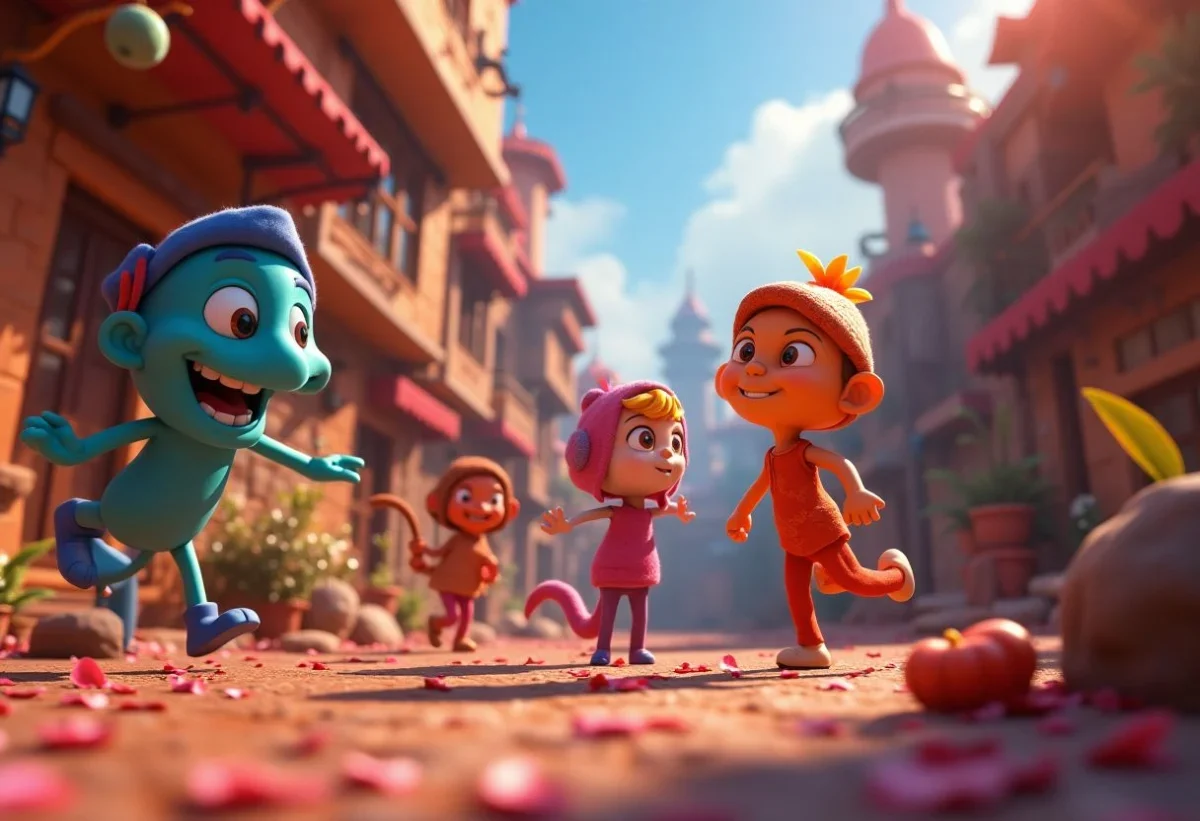
Animation is a thriving field that attracts many young talents. Animated films, animated television series, and video games are just a few examples of the many forms this captivating medium can take. For those wishing to pursue a career in this sector, adequate preparation is essential. Animation preparatory classes, often called animation prep, are a key step in developing the necessary skills and preparing for the demands of the professional market. Studying animation through a structured program not only offers a deep understanding of technical and artistic aspects but also allows for the exploration of innovative techniques and the development of a unique vision.
Why choose an animation prep?
Embarking on an animation prep may seem daunting, but it is a strategic decision for those dreaming of a career in this dynamic field. Why opt for this specific path?
- Development of technical skills: Animation prep programs offer hands-on training on specialized software used in the industry. Mastering these tools is essential for producing quality content.
- Artistic enrichment: Beyond the technical aspect, in-depth training in visual arts helps refine students’ artistic sense and encourages innovation.
- Creation of a portfolio: A strong portfolio is often required to access the best animation schools. Preparatory classes provide the necessary guidance to create a diverse and impressive portfolio.
- Networking: Preparatory classes offer the opportunity to meet professionals and other passionate students, which can lead to future collaborations and career opportunities.
The key elements of a good animation prep program
For an animation prep to be effective, it must include several essential components that ensure a comprehensive and balanced training.
First, a well-structured curriculum is indispensable. It should integrate courses that cover a wide range of animation techniques, from traditional 2D animation to modern 3D animation and stop-motion. Teaching the history and theory of animation is also crucial for understanding the evolutions of the field and drawing inspiration from them.
Next, the importance of hands-on learning cannot be underestimated. Students should have numerous opportunities to undertake individual and collaborative projects that challenge them and allow them to apply their knowledge in real-world contexts.
Finally, a good program encourages critical thinking and personal reflection. This encourages students to develop their own style and express themselves through animation while being able to receive and integrate constructive feedback.
How to make the most of your animation prep
Once enrolled in an animation prep, it is essential to adopt certain strategies to maximize your experience and learning.
- Fully engage in each project. The more time and energy you invest, the more you will learn.
- Take advantage of the resources available. Use libraries, workshops, and software provided to explore and experiment.
- Seek constructive feedback. Whether from teachers or peers, critiques are essential for progress.
- Stay curious and open. Animation is a playground for imagination, so don’t hesitate to explore unconventional styles and techniques.
Career opportunities after an animation prep
Students who complete an animation prep have a range of exciting professional opportunities ahead of them. Here are some possible careers.
The job of an animation director is often a ultimate goal for many students. These professionals are responsible for bringing stories to life through animation, overseeing the entire creation process.
Others choose to become 3D animators, specialists in creating animated characters and environments for films, series, and video games. This specialization requires mastery of 3D software and a good sense of movement.
Illustrators and concept artists, on the other hand, focus on the visual design and aesthetics of projects. They are tasked with creating the worlds and characters that will then be animated.